
Access to quality wound care is essential for proper healing, but not every patient can easily travel to a clinic multiple times per week. Advances in telemedicine have made remote wound care a safe and effective option for many individuals. Through virtual consultations, digital monitoring, and coordinated care plans, patients can receive expert guidance without leaving their homes.
Understanding when remote wound care is recommended can help patients and caregivers determine whether this modern approach is appropriate for their situation. In this guide, we’ll explore how remote wound care works, who benefits most, and when in-person treatment may still be necessary.
What Is Remote Wound Care?
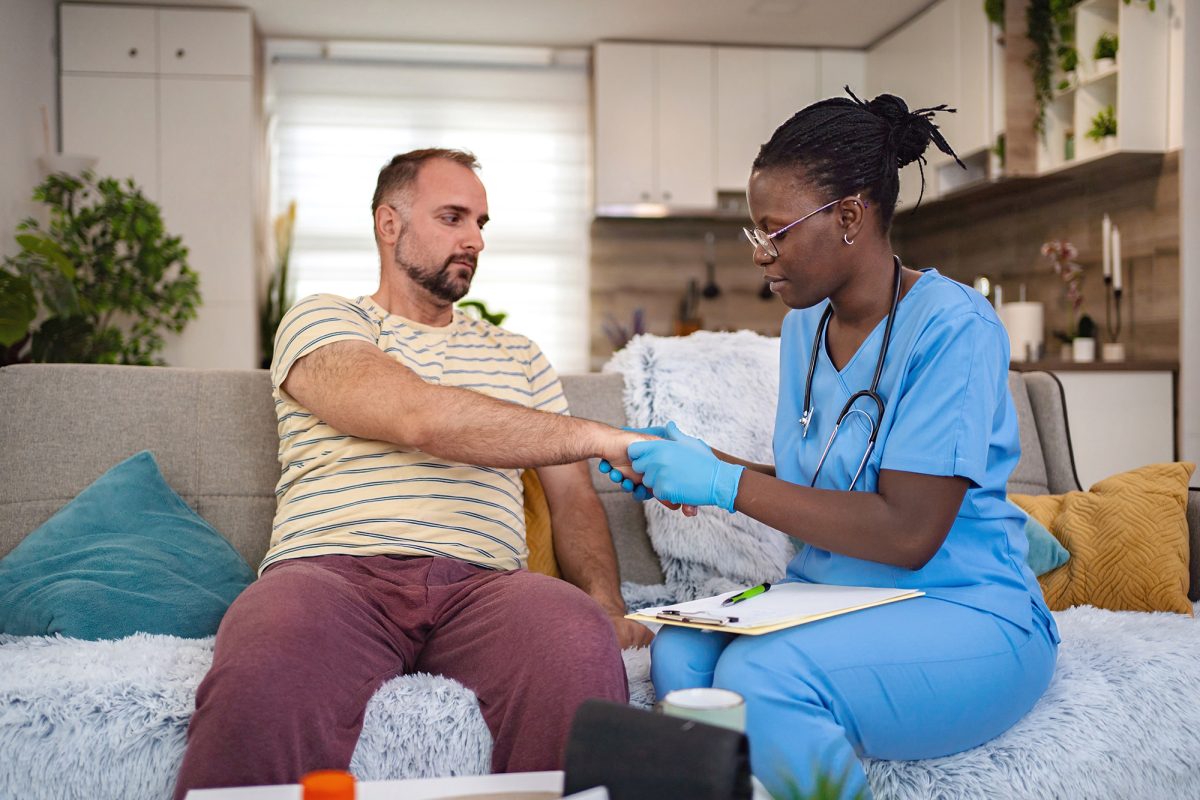
Remote wound care, also known as telewound care, uses digital technology to connect patients with wound care specialists. Through secure video visits, photo documentation, and electronic health records, providers can assess wound progress, adjust treatment plans, and guide at-home care.
This approach is often integrated into a broader wound management strategy, combining virtual oversight with in-person services when needed. It allows for consistent monitoring while improving convenience and accessibility.
When Remote Wound Care Is Recommended
Remote wound care is not suitable for every case, but it can be highly effective in specific situations. Below are the most common scenarios where telewound care may be recommended.
Read More: Building Trust in Medical Device Distribution for Safer Healthcare Systems
1. For Stable, Non-Emergent Wounds
Patients with stable wounds that are not rapidly worsening or severely infected may be good candidates for remote care. Examples include:
- Healing surgical incisions
- Minor pressure injuries
- Venous leg ulcers under management
- Superficial diabetic foot ulcers
In these cases, regular photo updates and virtual check-ins allow providers to monitor healing progress and intervene if changes occur.
2. For Patients With Limited Mobility
Individuals who have difficulty traveling due to mobility challenges, chronic illness, or lack of transportation often benefit from remote wound care. Telemedicine eliminates travel barriers while ensuring consistent access to expert oversight.
This is particularly valuable for elderly patients or those recovering from surgery who need close monitoring but cannot safely commute frequently.
3. For Rural or Underserved Areas
Access to specialized wound care clinics may be limited in rural communities. Remote wound care bridges this gap by connecting patients with experienced providers regardless of geographic location.
Through virtual evaluations, specialists can collaborate with local healthcare teams to deliver coordinated, high-quality care.
4. For Ongoing Monitoring Between In-Person Visits
Even patients who receive in-clinic treatments such as debridement or advanced therapies can benefit from remote follow-up appointments. Virtual check-ins between visits help detect early warning signs and reduce unnecessary trips to the clinic.
This hybrid model enhances continuity of care and improves overall treatment outcomes.
Read More: High Altitude, High Stakes: Supporting Healthcare Teams in the Air
5. During Infection Prevention or Public Health Concerns
Remote wound care may be recommended when minimizing exposure to illness is a priority. Telehealth allows patients to receive guidance while reducing time spent in healthcare facilities, which can be particularly important for individuals with compromised immune systems.
Benefits of Remote Wound Care
When appropriately implemented, remote wound care offers several important advantages.
Convenience and Accessibility
Patients can attend appointments from home, eliminating transportation challenges and reducing time away from work or care giving responsibilities.
Faster Intervention
Digital wound monitoring allows providers to review images and symptoms quickly. Early detection of complications can prevent minor concerns from becoming serious problems.
Improved Patient Engagement
Remote care encourages patients to take an active role in their healing. With guided instructions and regular communication, patients often become more confident in managing dressings, monitoring changes, and following care plans.
Cost Efficiency
By reducing travel and potentially preventing hospital visits, remote wound care may lower overall healthcare costs while maintaining high standards of care.
When In-Person Wound Care Is Necessary
While remote wound care is highly beneficial in many cases, certain conditions require immediate or hands-on treatment. In-person evaluation is typically recommended for:
- Severe or rapidly spreading infections
- Deep wounds exposing muscle or bone
- Uncontrolled bleeding
- Wounds requiring sharp or surgical debridement
- Sudden worsening pain or swelling
A qualified provider will determine whether a wound can be safely managed remotely or if in-clinic care is necessary.
How Remote Wound Care Works
The process typically begins with an initial consultation, which may be conducted virtually or in person. Patients are instructed on how to take clear photos of the wound, measure its size, and report symptoms such as drainage, redness, or discomfort.
Providers review this information and adjust treatment plans accordingly. Follow-up visits are scheduled regularly to ensure steady progress. If concerns arise, the patient may be directed to seek in-person evaluation.
Choosing the Right Wound Care Approach
Determining when remote wound care is recommended depends on several factors, including wound severity, overall health status, access to local resources, and patient ability to follow instructions. A personalized assessment ensures that safety and effectiveness remain top priorities.
For many patients, a blended approach combining virtual monitoring with occasional in-clinic treatments offers the best balance of convenience and comprehensive care.
Final Thoughts: Expanding Access to Quality Wound Care
Remote wound care is transforming the way patients receive treatment, offering flexibility, accessibility, and consistent expert oversight. When used appropriately, it provides a safe and effective solution for managing stable wounds and supporting recovery from the comfort of home.
If you’re wondering whether remote wound care is right for you, consult with a wound care specialist who offers tele-medicine services. With the right guidance and monitoring, healing can continue—no matter where you are.