
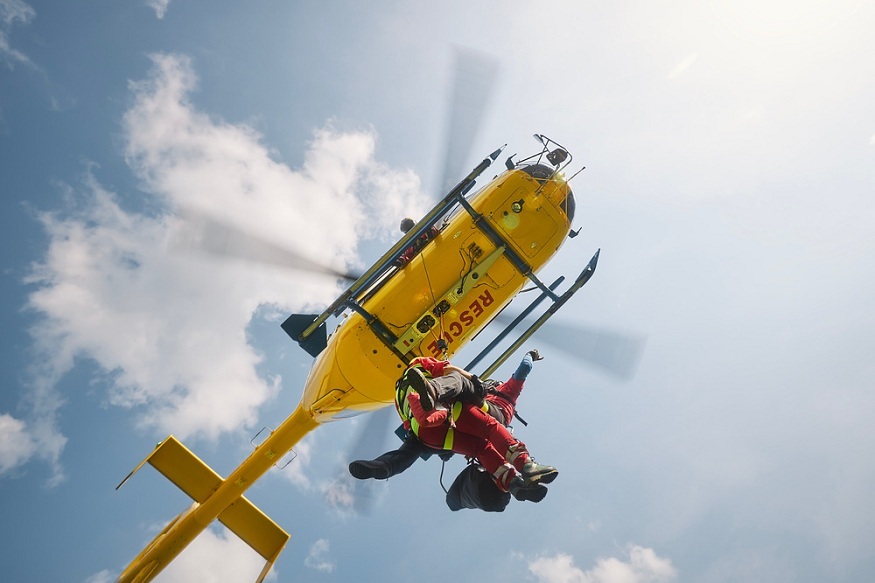
Healthcare workers encounter unique challenges in treating patients at high altitudes. The human body responds differently at high altitudes. Medical procedures become harder. Equipment behaves strangely. These flying medical teams need specialized support systems to save lives in conditions that would overwhelm most hospital staff. America’s airborne healthcare professionals handle these pressures every day while racing against time.
Physical and Mental Demands on Flight Crews
Altitude is hard on humans. Flight nurses feel exhausted faster than ground nurses. Their hearts pump harder just to maintain normal oxygen levels. Dehydration hits quickly in dry cabin air. Simple tasks like starting an IV become wrestling matches when turbulence strikes. The mental strain weighs heavily too. These healthcare workers make life-or-death decisions while their own bodies struggle with altitude. They can’t step outside for fresh air when stress peaks. No backup team waiting down the hall if something goes wrong. A cardiac emergency at sea level is tough enough; at flight altitude, every complication multiplies.
Sleep schedules get destroyed by emergency calls at all hours. A flight nurse might work a midnight rescue, land at dawn, then fly out again before lunch. Their internal clocks never sync up properly. Fatigue becomes a constant enemy that threatens both their health and their patients’ survival. Support programs now focus on managing these schedule disruptions through strategic rest periods and crew rotation systems.
Read More: Building Trust in Medical Device Distribution for Safer Healthcare Systems
Technology That Backs Up Human Skill
Modern technology helps flight teams overcome altitude obstacles. Pressurized cabins maintain oxygen levels that keep both patients and medical staff functioning. Advanced ventilators adjust automatically for altitude changes. Portable ultrasound machines work despite vibrations that would ruin hospital equipment. Communication systems connect flight teams with ground-based specialists. A surgeon in Dallas can guide a flight nurse through an emergency procedure over Montana. Real-time video feeds show specialists exactly what the flight team sees. This backup gives airborne teams confidence to handle cases beyond their usual scope.
The medevac equipment itself gets constant upgrades based on crew feedback. Monitor screens now resist glare from sunlight streaming through aircraft windows. Battery systems last longer because crews reported equipment dying mid-flight. Securing systems keep gear stable during rough air while staying accessible for quick deployment. According to the people at LifePort, every improvement comes from lessons learned during actual emergencies.
Training Programs That Build Confidence
Simulation training prepares teams for worst-case scenarios before they happen. Mock emergencies in aircraft replicas teach crews how altitude affects their performance. They practice procedures while instructors shake the simulator to mimic turbulence. Training errors prevent future tragedies.
Physical fitness programs aid flight crews in coping with altitude-related stress. Oxygen efficiency improves with cardio training. Strength exercises prepare them for lifting patients into cramped spaces. Flexibility work prevents injuries when they contort themselves around aircraft obstacles. These programs recognize that physical preparation directly affects medical performance at altitude.
Read More: Why Fallopian Tube Blockage Leads To Pelvic Pain In Women?
Mental health support has become essential for these teams. Counselors who understand aviation medicine help crews process traumatic flights. Peer support groups let team members share experiences with others who face similar challenges. Some programs teach meditation techniques that work even in noisy aircraft cabins. Addressing psychological strain keeps experienced teams flying longer and safer.
Conclusion
Supporting healthcare teams in the air requires constant adaptation. New aircraft designs create better working environments. Training programs evolve as medical knowledge advances. Technology fills gaps that human limitations create. America’s flying medical teams save thousands of lives annually because comprehensive support systems help them overcome the brutal challenges of high-altitude medicine. These heroes deserve every advantage as they work in the most demanding medical environment imaginable.