
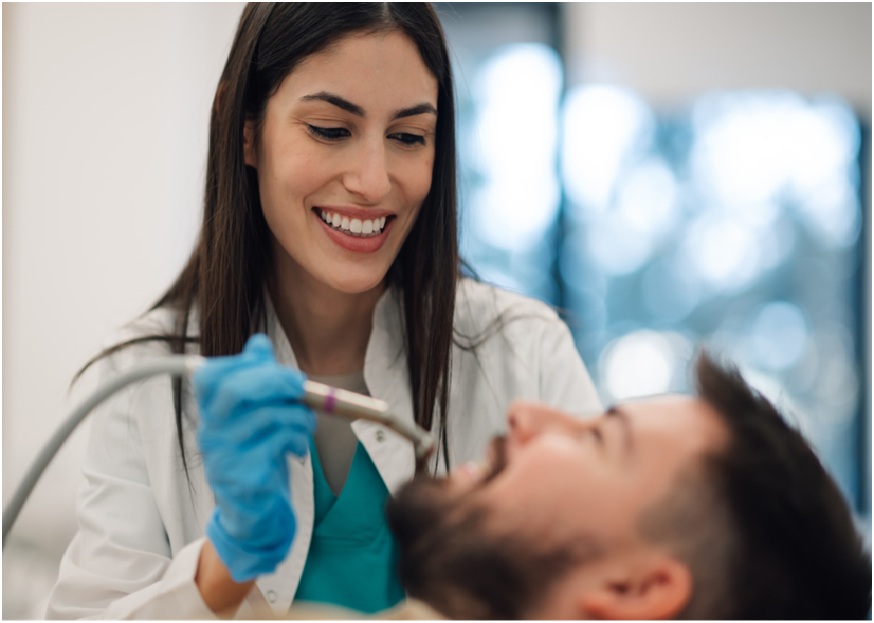
Modern dental care is not supposed to feel like an endurance test. People want appointments that start on time, explanations that make sense, and treatment that feels controlled rather than rushed. Comfort is part of clinical quality, not a “nice extra,” especially for anyone who has delayed care because of anxiety, sensitivity, or one bad experience years ago.
Roslyn patients also expect dentistry to fit real life. That means clearer options, planning, and technology that reduces guesswork. When a practice combines a calm chair side style with modern tools, decisions get easier. Small issues are caught earlier, bigger work is staged responsibly, and the whole process feels less intimidating from start to finish.
Why Best Dentist Still Means Measured Judgment
Choosing the best dentist in Roslyn is rarely about one flashy procedure. It’s about judgment in the quiet moments: noticing early gum irritation, spotting a small crack, and recognizing bite wear before it becomes a fracture. Strong clinicians also know when not to rush into treatment, because the most comfortable dentistry is often the dentistry avoided through earlier prevention, targeted home guidance, and a realistic follow-up schedule, even during routine checkups.
Sequencing is also a part of measured judgment. A good plan describes not only what needs to be done now, but what can be postponed with no hazard and what should be kept under review. Patients are more confident about their safety if the priorities in their doctors’ advice seem reasonable and do not change radically from visit to visit. Stability predisposes to trust, trust promotes patient consistency, and prevents more expensive mistakes. Consistency also modifies quality, as the whole process of patient care is better focused if planned well from the very beginning, with clearly stated priorities.
Comfort-First Care without Guessing
Comfort begins long before any procedure. It shows up in how a team listens, how they pace the visit, and whether they check in during treatment instead of powering through. Step-by-step explanations lower stress quickly, especially when patients know they can pause. Practical choices matter too, like gentler cleanings, thoughtful numbing, and staging longer visits so sensitive patients are not pushed past their limit. For anxious patients, that permission to slow down is huge.
Modern comfort is also about reducing uncertainty. When patients can see images, understand what is changing, and hear the plan in plain language, anxiety tends to drop. A calm practice doesn’t overcomplicate, but it doesn’t oversimplify either. They give enough detail to build confidence, then keep the appointment moving with a steady rhythm. That predictability makes returning easier, which is where long-term improvements actually start for most people, especially busy families.
Local Modern Dentist That Fits Real Life
Working with a dentist in Roslyn NY can make long-term care feel simpler because it supports consistency. When the office experience is predictable, people are more likely to keep cleanings on schedule, complete treatment plans, and ask questions early. That consistency prevents the “small problem becomes urgent problem” cycle that makes dentistry stressful. It also helps families coordinate visits, especially when kids and adults have different needs but similar time constraints.
Even with a strong focus on human care and comfort, there are ways to make local treatment feel modern. That is possible when technology serves as a necessary tool, not as a shiny gimmick. For example, digital imaging, clear diagnostics, and well-kept records cut repeat visits and confusion. Patients win when a team can pull up a timeline, show what changed, and elucidate why an outcome makes sense today. More certainty leads to more confidence. And more confidence is one of the quickest routes to a truly comfortable-sounding visit imaginable.
Diagnostics That Reduce Surprises
Modern diagnostics help patients make decisions without relying on vague descriptions. Clear images and intraoral photos can show early decay, gum inflammation, and wear patterns that would otherwise be easy to miss. When patients can see what a clinician is seeing, conversations become practical and less emotional for them. It’s easier to decide on a filling, a night guard, or a cleaning interval because the “why” is visible, not just explained.
Better diagnostics also improve planning for complex work. If a tooth needs restoration, the team can evaluate bite forces, existing dental work, and gum health before choosing the best path. That reduces rushed decisions and avoidable redo work later. Most patients don’t care what the technology is called, but they care about what it delivers: clearer answers, better timing, and fewer “we didn’t expect this” moments that derail comfort and schedules.
A Calmer Approach to Cosmetic Improvements
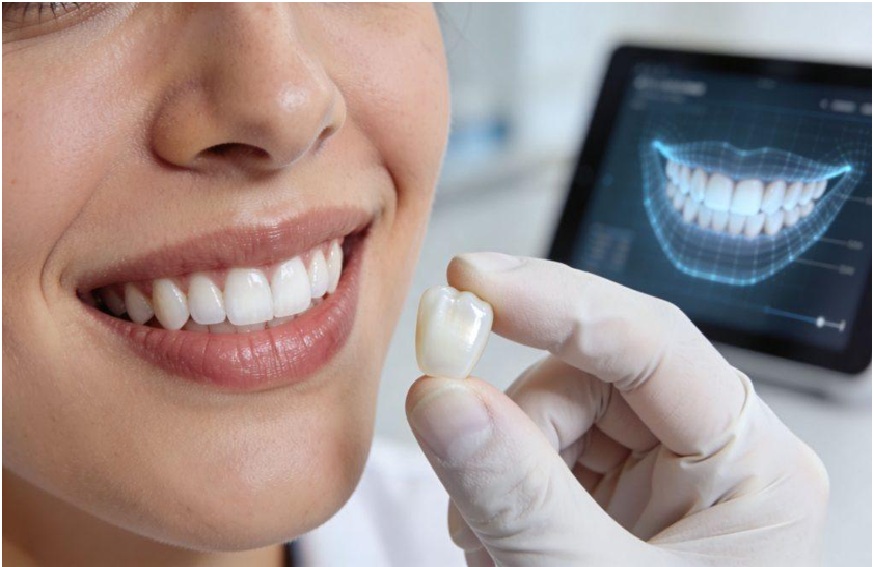
Cosmetic dentistry works best when it still looks like the patient, not like a template. Small improvements such as whitening, bonding, or reshaping can deliver a real confidence lift when they’re planned conservatively. A comfort-first team also discusses sensitivity, maintenance, and timelines up front, without glossing over details. That avoids the “quick fix” mindset that can lead to regret later, especially when someone expects instant results without understanding the long-term upkeep.
Most patients who weigh their options end up with the best dentist in Roslyn because the crew reviews the tradeoffs without any spin. Some processes will endure many years of use but take weeks to arrange; others require maintenance but are easy to begin and complete. No cosmetic breakthrough is more useful than the other criteria on the list: shade choice, bite middle, and enamel strength. Once the clinician adapts the type of care to the inda and grin goals, cosmetic treatment no longer looks like a risk; it appears to be a deliberate, managed improvement.
Long-Term Maintenance That Stays Simple
Staying healthy long term is mostly about maintenance that people can actually keep. A dentist in Roslyn, NY, who offers clear recall schedules, practical home-care guidance, and consistent follow-up, reduces the friction that makes patients disappear for years. If gum health needs closer monitoring, the plan is explained early. If cavity risk is low, the plan stays efficient. Either way, patients understand what “good” looks like between visits and what to do when something changes.
Maintenance also protects work that has already been done. Night guards for grinders, cleanings that focus on trouble spots, and monitoring around older fillings can prevent expensive surprises. When a team documents well and communicates clearly, patients feel like their care is organized, not improvised. That organization is a quiet form of comfort, and it reduces second-guessing. It’s also why modern dentistry feels easier: patients can plan ahead instead of reacting late.
Conclusion
Ultimately, the modern, comfortable dental experience is about transparency, a sense of the clock, and, ultimately, better decisions, given time. If patients are well-versed in their options and feel respected throughout access, they will often have more than one reason to keep at it. That, in turn, reduces the chances of needing far broader care and makes much sure that the patients who would earlier avoid the clinic wouldn’t let things escalate to a crisis.
Iconic Smiles Dental Boutique offers care built around thoughtful planning and clear communication for patients who want a boutique-style experience that blends modern tools with a calm, patient-centered approach. Their team focuses on helping patients feel comfortable, informed, and confident at every step, so modern treatment feels steadier from the first visit through long-term maintenance.
Frequently Asked Questions
Question: What makes modern dental treatment feel more comfortable than older-style care?
Answer: Modern care tends to be more transparent and more precise. Better diagnostics support clearer planning, and patients typically get more explanation and control during visits. When a team checks in often, uses predictable pacing, and reduces surprises, comfort improves even before any procedure begins.
Question: How can someone know if a dentist’s recommendations are truly necessary?
Answer: A trustworthy dentist explains the problem, shows supporting images when helpful, and offers options with clear tradeoffs. They should be able to explain what happens if treatment is delayed and what can be monitored safely. Consistency across visits is also a strong signal of sound judgment.
Question: Do cosmetic improvements always require major dental work?
Answer: Not always. Many people benefit from small, conservative options like whitening or bonding. A good plan should consider enamel health, sensitivity, and maintenance expectations. Patients should also expect a realistic timeline that avoids rushed changes that can compromise comfort.
Question: Why do some patients keep postponing treatment even when they have symptoms?
Answer: Often, it is anxiety, uncertainty, or fear of discomfort. People also postpone when they don’t understand the plan or worry about cost and time. Clear explanations, staged treatment, and a comfort-first approach can make follow-through feel much more achievable.
Question: What helps patients stay consistent with dental visits long term?
Answer: Simple scheduling, clear recall intervals, and practical home-care guidance help most. Patients also stay consistent when they feel listened to and when the visit flow is predictable. Long-term success is usually built on small, repeatable habits rather than big, one-time treatments.